
Categories
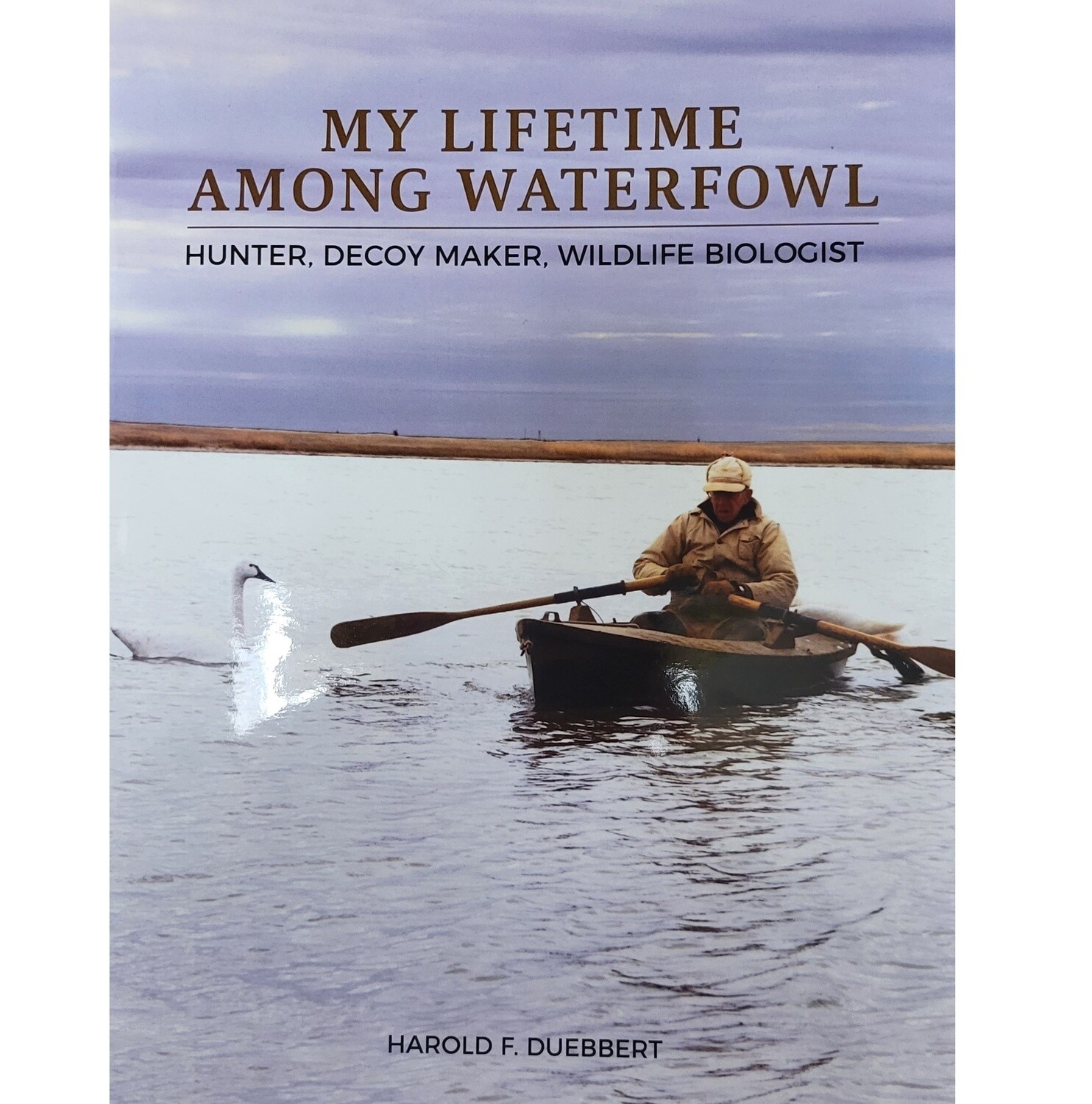
My Lifetime Among Waterfowl
SKU 00011
$49.50
In stock
1
My Lifetime Among Waterfowl
Product Details
Waterfowl hunting in North American experienced two great eras. The first occurred in the last three decades of the 19th century when autumn skies were filled with waterfowl and hunters had access to remote areas such as the northern prairies via rail cars. By the early 20th century, waterfowl populations were declining and the 1930s "Dust Bowl" drought brought further drastic declines in duck populations across the Prairie Pothole Region that constituted 10 percent of the waterfowl breeding habitat but produced 50 percent of the continent's migratory ducks in average years. When water returned to the prairies at the end of the 1930s, prairie nesting duck populations rebounded dramatically, initiating a second great era of duck hunting just as Harold was beginning his life as a waterfowl hunter in 1940. Harold lived this second great era of waterfowl hunting as a hunter, decoy maker and wildlife biologist, and he documented it in his 56 years of hunting journals. Now readers may re-live it as he takes them back to those bygone years in My Lifetime Among Waterfowl.
